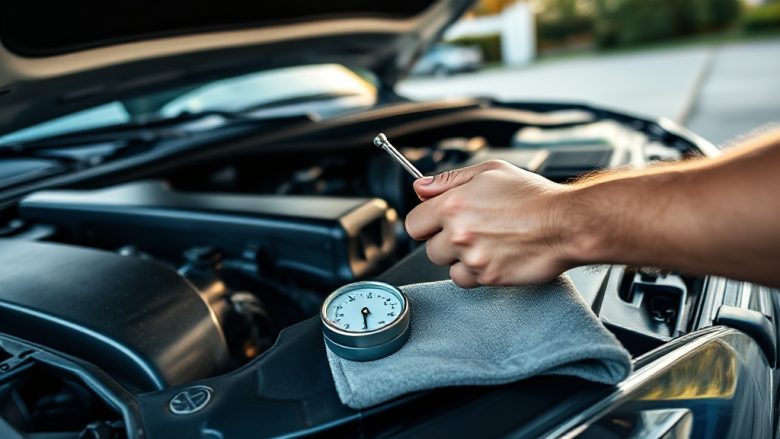
A new engine can cost more than a decent used car. A transmission rebuild often runs into four figures before the mechanic has even opened the gearbox. Against those numbers, an oil change and a set of brake pads look almost free. That gap is the whole argument for learning how to maintain your car to last longer: the money you spend on small, boring jobs is money you never hand over for a catastrophic one.
I’m not a mechanic. I’ve just owned enough high-mileage cars to know that most of them died from neglect, not age. My goal with every vehicle is simple: 200,000 miles without drama. Not concours condition, not a showpiece, just a car that starts every morning and doesn’t surprise me on the motorway. What follows is the routine that gets me there, built around the four areas where trouble usually starts.
Fluids and Filters: The Cheapest Insurance You Can Buy
Fluids are the bloodstream of the car, and they all degrade on a schedule whether you drive much or not. The mistake most owners make is treating the service book as optional once the warranty expires. It isn’t. It’s a minimum, not a maximum, and short trips around town are harder on a car than steady motorway miles.
Engine oil is the one that matters most. Check the dipstick every couple of weeks, ideally when the engine is cold and the car is on level ground. The level should sit between the marks, and the oil should look amber-brown rather than black and gritty. If it’s dropping steadily between checks, you have a leak or a consumption problem worth investigating before it becomes a failure. Conventional oil typically wants changing around every 5,000 to 7,500 miles, synthetics can stretch further, but if your driving is mostly short urban hops, change it earlier than the book suggests. Oil that never gets hot enough to burn off condensation turns into sludge, and sludge kills engines quietly.
Coolant deserves the same attention. Look at the plastic reservoir when the engine is cold, not hot, and make sure the level sits between the low and full marks. The colour matters too: fresh coolant is usually bright pink, green or orange depending on type, while rusty brown fluid means the system needs flushing. Never mix coolant types, and never open a hot cooling system. A coolant change every few years is far cheaper than a warped cylinder head.
Transmission fluid, brake fluid and power steering fluid all have service intervals that people ignore because they’re inconvenient. Brake fluid absorbs moisture over time, which lowers its boiling point and makes your pedal feel spongy under hard use. A brake fluid change every two to three years is standard advice for good reason. If your automatic gearbox shifts roughly or hesitates, get the fluid checked before assuming the worst. Filters go with fluids: oil filter every oil change, air filter when it looks grey and clogged, cabin filter when your windows start fogging oddly or the vents smell musty. A clogged air filter costs you fuel economy and throttle response for no good reason.
Tires and Brakes: Where Safety and Longevity Meet
Tires are the only thing connecting you to the road, and they’re also one of the easiest places to spot trouble early. Check pressures monthly with a proper gauge, not by kicking them. Under-inflated tyres wear out faster, overheat on long runs and hurt your fuel consumption. The correct pressure is on a sticker inside the driver’s door jamb, not the maximum printed on the sidewall, and it’s usually different front and rear.
While you’re down there, look at the tread. The legal minimum in the UK is 1.6mm across the central three-quarters of the tyre, but for longevity and wet grip you want to be thinking about replacement at 3mm. Stick a 20p coin into the groove: if the outer band is fully visible, you’re close to the limit. Check for uneven wear too. Bald inner or outer edges usually mean alignment is out, and a cheap alignment check saves you the price of a prematurely ruined set. Rotating tyres front to back every 5,000 to 6,000 miles evens out wear, since front tyres on most cars scrub faster than rears.
Brakes announce themselves if you listen. Squealing under light braking often means worn pads, while grinding means you’ve left it too long and metal is meeting metal. That’s the point where a simple pad change becomes new discs as well. Pads typically last 30,000 to 70,000 miles depending on driving style, but city driving eats them faster. Have them inspected at every service and don’t wait for the noise. If the pedal pulses when you brake, the discs are likely warped and need attention. Brake work is not a place to save money, but doing it on time is genuinely cheaper than doing it late.
One more tyre note: check the spare or the repair kit. A puncture at the roadside is annoying; discovering your spare is flat is worse. Tyres also age even when they aren’t worn, so if a set is more than six years old, have a professional look at the sidewalls for cracking.
Battery and Electrical: The Silent Killers
Most no-start mornings trace back to the battery, and most batteries give warning signs first. Slow, laboured cranking, dim headlights at idle, or a clock and radio that reset themselves are all clues. A healthy battery should read around 12.6 volts at rest; below 12.4 volts it’s partially discharged, and if it drops below about 12 volts after a night’s rest, it’s on its way out. A cheap multimeter pays for itself the first time it saves you a breakdown.
Batteries typically last three to five years. Short trips are their enemy because the alternator never gets long enough to fully recharge what the starter drained. If your driving is mostly brief journeys, a trickle charger once a month will noticeably extend battery life. Clean any white or blue crusty deposits from the terminals with a wire brush and a little baking soda solution, then reconnect firmly. Loose or corroded terminals cause weird electrical gremlins that send people chasing problems that don’t exist.
Don’t overlook the charging system. If a new battery still goes flat, the alternator or the belt driving it is the likely culprit. Belts crack, glaze and squeal, and a snapped serpentine belt can leave you stranded and can take the water pump with it. Inspect belts for fraying and glazing at every oil change. Replace the alternator belt before it fails, not after.
Lights matter for both safety and legality, so do a quick walk-around once a month: headlights, brake lights, indicators, reverse lights. It takes two minutes and one person pressing pedals. If a bulb keeps blowing, suspect a voltage regulator issue rather than blaming the bulbs.
Seasonal Checks and the Annual Routine
Cars suffer most at the change of seasons, so build your maintenance around them. Before winter, test the battery properly, top up antifreeze, check tyre tread and consider winter or all-season tyres if you face regular cold and wet. Make sure your screen wash is rated for freezing temperatures, because frozen washer fluid cracks reservoirs and leaves you blind on a gritted road. Before summer, check coolant again, inspect the air conditioning, and look at your tyres for heat-related cracking if the car sits outside.
The annual rhythm that keeps a car alive looks roughly like this. Every month: check tyre pressures and tread, inspect oil and coolant levels, test all lights, and listen for new noises. Every six months: check brake pads, battery health, belts and hoses, and top up or replace fluids as needed. Every year: a full service with oil and filter change, brake fluid check, alignment check, and a proper look underneath for rust, leaks and worn suspension components. Rust is the quiet killer of otherwise healthy cars, so washing the underside through winter and touching up stone chips early genuinely adds years.
Beyond the schedule, pay attention to how the car feels. New vibrations, a pull to one side, a burning smell, a warning light that stays on: these are the car telling you something. Fixing small symptoms early is the difference between a repair bill and a replacement bill. A car that reaches 200,000 miles isn’t a lucky one. It’s a car whose owner noticed things and acted before they got expensive. That’s the whole routine, and it costs far less than the alternative.