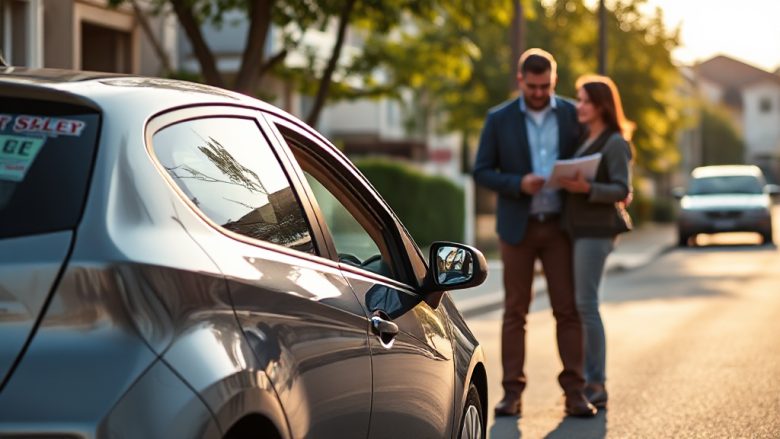
There’s a particular kind of excitement that comes with buying a first car. It sits right next to a knot of pure anxiety. You want something safe, something that won’t bankrupt you, and something that starts every morning. The problem is that the used market is enormous, and every listing sounds like a bargain until you read the small print. The good news is that finding the best used cars for first time drivers doesn’t require an encyclopaedic knowledge of engines. It requires a simple framework. This article gives you exactly that: the criteria that matter, the categories that tend to meet them, and the red flags that should send you walking away.
What Matters Most When You’re Buying a First Car
Before you fall in love with a colour or a set of alloy wheels, get the priorities in order. A first car is a tool for building experience, not a statement. Every sensible choice comes back to four things: safety, insurance, reliability, and total cost.
Safety comes first because a new driver is statistically more likely to be involved in a collision. That doesn’t mean you need the newest model on the forecourt. It means looking for a car with a strong safety record, a full set of airbags, electronic stability control, and decent crash test results from when it was new. Small cars can be safe. Light cars can be safe. What matters is how the structure was designed and how the safety systems work together.
Insurance is where first-time drivers get a nasty shock. The premium depends on the car’s insurance group, its repair costs, and its theft risk. A cheap hatchback with a small engine will almost always cost less to insure than a sporty coupe, even if the coupe was cheaper to buy. Always get a quote before you commit. A car that’s affordable to purchase but impossible to insure is not affordable at all.
Reliability is the quiet hero of first-car ownership. You want a car that starts, stops, and doesn’t need a mechanic every other month. That usually means choosing a model with a long track record of dependable service rather than a rare or complex machine. Simple is good. Parts should be easy to find, and any garage should be able to work on it.
Total cost goes beyond the sticker price. Factor in fuel economy, road tax, tyres, servicing, and the likelihood of repairs. A car that costs a little more upfront but sips fuel and rarely breaks down is often the cheaper choice over two or three years. Write down a realistic monthly budget before you start browsing, and stick to it.
Categories to Consider
You don’t need to pick a specific make or model to make a good decision. Instead, think in categories. Each one has strengths and weaknesses, and the right fit depends on how you’ll use the car.
Small hatchbacks. This is the classic first-car category for good reason. They’re easy to park, cheap to run, and usually sit in low insurance groups. A three-door or five-door hatchback with a modest petrol engine will handle city driving and short motorway trips without complaint. Boot space is limited, but for a single driver or a couple it’s rarely a problem. Look for one with a service history and a recent MOT.
Compact saloons and estates. If you need more space for passengers or luggage, a compact saloon or small estate can work well. They tend to be slightly more expensive to insure than hatchbacks, but they offer better comfort on longer journeys. Choose a model with a reputation for longevity and avoid anything with a large, thirsty engine. A 1.4 to 1.6 litre petrol unit is usually the sweet spot.
Small SUVs and crossovers. These have become popular with new drivers because of the elevated driving position and practical shape. The trade-off is higher running costs. They’re heavier, less aerodynamic, and often cost more to insure and fuel. If you live somewhere with poor roads or frequent bad weather, the extra ground clearance can be useful. Otherwise, a hatchback will do the same job for less.
Older premium models. It’s tempting to buy an older car from a premium brand because the badge looks good and the price seems low. Be careful. Parts and labour for premium vehicles are expensive, and a neglected example can become a money pit. If you go down this route, choose a model with a strong reliability record and budget for higher maintenance costs. For most first-time drivers, a mainstream brand is the smarter financial move.
Within any category, prioritise examples with complete service records, a reasonable mileage for their age, and no obvious signs of neglect. A well-maintained older car is almost always a better buy than a neglected newer one.
Red Flags to Avoid
Knowing what to avoid is just as important as knowing what to look for. Some problems are obvious, others are hidden, but a few simple checks will save you from most disasters.
No service history. A car without paperwork is a car with an unknown past. Even if it drives well, you have no way of knowing whether the oil was changed or the cambelt was replaced. Walk away unless the price reflects the risk and you’re prepared to pay for a thorough inspection.
Freshly cleaned engine bays. A spotless engine bay on an older car can be a sign that someone is hiding an oil leak or a coolant stain. Look for signs of fresh cleaning around the engine and check underneath for drips. A little grime is normal. A suspiciously shiny engine is not.
Mismatched paint or uneven panel gaps. These can indicate accident damage that wasn’t repaired properly. Run your hand along the panels and look down the sides of the car from the front and rear. If something looks off, ask questions. If the seller is vague, move on.
Warning lights on the dashboard. Some sellers will tell you a warning light is ‘just a sensor’. Sometimes that’s true. Often it isn’t. Any warning light that stays on after the engine starts is a reason to get a professional inspection before you buy.
Pressure to buy quickly. A genuine seller will let you take your time, arrange an inspection, and answer questions. If someone is pushing you to pay a deposit today because ‘someone else is interested’, that’s a sales tactic, not a reason to rush. There are plenty of cars for sale. You don’t need to buy the first one you see.
Unrealistically low prices. If a car is priced far below similar listings, there’s usually a reason. It might be a write-off, have outstanding finance, or have a serious mechanical fault. Check the history and get an inspection. A bargain that costs you thousands in repairs isn’t a bargain.
Finally, trust your instincts. If something feels wrong about the seller or the car, it probably is. There will always be another car.
Frequently Asked Questions
What is the best age of used car for a first-time driver?
A car that is three to seven years old often offers the best balance of price, safety features, and reliability. It has already taken the biggest depreciation hit, but it’s still new enough to have modern safety equipment and a reasonable chance of a clean history. Older cars can work if they’ve been well maintained, but expect more maintenance costs.
How many miles is too many on a used car?
There’s no fixed number. A well-serviced car with 80,000 miles can be a better buy than a neglected one with 40,000. Look at the overall condition, the service history, and the type of journeys it’s done. Motorway miles are generally gentler than short city trips. If the mileage is high for the age, use it as a negotiating point, not an automatic deal-breaker.
Should I buy from a dealer or a private seller?
Dealers usually offer more legal protection and may include a warranty, but their prices are higher. Private sellers can be cheaper, but you have fewer rights if something goes wrong. For a first car, a reputable dealer with a clear warranty can be worth the extra cost for peace of mind. If you buy privately, always arrange an independent inspection.
What paperwork should I check before buying?
Ask to see the V5C registration document, the MOT certificate, and the full service history. Check that the name on the V5C matches the seller’s ID and that the car isn’t listed as stolen or written off. A history check is inexpensive and can save you from a costly mistake.
Quick Summary Table in Prose
To pull it all together: safety, insurance, reliability, and total cost are the four pillars of a smart first-car purchase. Small hatchbacks win on running costs; compact saloons and estates add space; small SUVs offer a higher driving position at a price; older premium models are best avoided unless you know what you’re doing. Avoid cars with no service history, suspiciously clean engines, mismatched paint, dashboard warning lights, pushy sellers, and prices that seem too good to be true. Take your time, get an inspection, and remember that the best used car for a first-time driver is the one that keeps you safe, keeps your costs down, and keeps on running. That’s a decision you can live with for years.